To keep your taping tools in top shape, start with regular cleaning—rinse off any residue and dry them thoroughly to avoid rust. Store your tools in a dry place and use a dedicated toolbox to prevent damage. Regularly inspect components like blades and handles for wear, replacing any worn parts promptly. Lubricate moving parts after each use to guarantee smooth operation. Ultimately, master the correct taping techniques to improve your project outcomes. When you apply these tips, you'll notice significant improvements in tool performance and longevity. You'll uncover more key insights in the following sections.
Key Takeaways
- Regularly clean taping tools with water and mild soap to prevent residue buildup and maintain performance.Store tools in a dry, cool place to prevent rust and corrosion, and use a dedicated toolbox for organization.Inspect tool components frequently for sharpness, wear, and secure fittings to ensure efficient operation.Lubricate moving parts after each use to enhance functionality and prevent dirt attraction.
Regular Cleaning Procedures
To keep your taping tools in top shape, you should clean them regularly to prevent residue buildup and secure peak performance. When using Columbia taping tools, dirt and mud can accumulate quickly, impacting their efficiency. Start by rinsing off any excess mud or drywall compound with water.
Using a soft brush, scrub the surfaces gently to remove stubborn residue.
For vital care techniques for taping tools, consider using a mild soap solution for deeper cleaning. Soak the tools briefly, then wipe them down with a clean cloth. Pay special attention to the corners and edges, where build-up often occurs.
After cleaning, dry your tools thoroughly to prevent rust or corrosion.
Incorporating these maintenance and care practices into your routine will extend the lifespan of your Columbia taping tools. Regular cleaning isn't just about aesthetics; it's critical for maintaining peak functionality.
Proper Storage Techniques
After cleaning your taping tools, proper storage techniques are key to ensuring they stay in excellent condition and are ready for your next project.
Initially, always store your tools in a dry, cool place to prevent rust and corrosion. Avoid damp basements or areas with extreme temperature fluctuations.
Next, use a dedicated toolbox or storage container. This keeps your tools organized and protects them from damage. If you've got multiple taping tools, consider using dividers or foam inserts to prevent them from knocking against each other.
Keep your tools away from heavy equipment or other items that could crush or bend them. You might also want to hang certain tools on a pegboard for easy access while keeping them safe from potential damage.
Lubrication Guidelines
Regularly lubricating your taping tools is essential for maintaining their performance and extending their lifespan. You should use a high-quality lubricant designed for the specific materials of your tools.
Begin by cleaning the surfaces to remove any dust or debris that could interfere with the lubrication process. Apply the lubricant to moving parts, such as gears and rollers, ensuring even coverage.
Avoid over-lubricating, as excess can attract dirt, leading to potential issues. It's best to use a small amount and reapply as needed.
Make it a habit to lubricate your tools after each use or at least once a week, especially if you're using them frequently. Pay special attention to any areas that show signs of wear or friction.
Inspecting Tool Components
Inspecting your taping tools' components regularly helps catch any wear or damage early, guaranteeing they operate smoothly and efficiently. By taking a moment to check key parts, you can avoid costly repairs down the line.
Start with the blade; verify it's sharp and free from nicks. A dull blade can result in uneven finishes and wasted materials. Next, look at the tape dispenser mechanism. It should move freely without any resistance. If it feels stiff, it might need lubrication or cleaning.
Don't forget to inspect the handle. A secure, comfortable grip is crucial for precise application. Ultimately, check the housing for cracks or leaks, as these can compromise tool durability.
Here's a handy table to guide you through the inspection process:
Component Inspection Tips Blade Check for sharpness and nicks Tape Dispenser Guarantee smooth movement Handle Look for secure grip and comfort Housing Inspect for cracks or leaksReplacing Worn Parts
Replacing worn parts on your taping tools not only prolongs their lifespan but also guarantees peak performance during your projects. When you notice signs of wear, it's essential to act quickly. Ignoring these signs can lead to inefficient work and even damage your tools.
Here are a few key parts you should regularly check and replace as needed:
- Blades: Dull or damaged blades can affect the quality of your taping and make the job harder. Rollers: Worn rollers can lead to uneven application and may cause frustration during use. Handles: Cracked or loose handles can compromise your grip and control, impacting your complete performance.
Managing Rust Prevention
Rust can quickly become a serious issue for your taping tools, so taking proactive steps to prevent it is crucial for maintaining their performance.
Initially, always store your tools in a dry environment. Humidity can accelerate rust, so avoid damp areas like basements or garages without proper ventilation. If you can, use silica gel packs or a dehumidifier to keep moisture levels low.
Next, after each use, wipe down your tools with a clean, dry cloth. This simple act removes moisture and any debris that could promote rust. Furthermore, consider applying a thin layer of oil specifically designed for metal surfaces. This creates a protective barrier against moisture and helps keep your tools in top shape.
Regularly inspect your taping tools for any signs of rust. If you spot any, address it immediately with a rust remover and then reapply protective oil. Remember, consistent maintenance is key to prolonging the life of your tools.
For supplies, check out Master Building Materials, your go-to source for all your taping tool needs. By following these steps, you'll guarantee your tools remain rust-free and ready for any job.
Safe Handling Practices
Proper maintenance isn't just about rust prevention; it's also crucial to follow safe handling practices to guarantee your taping tools are used effectively and without risk of injury.
By adhering to these guidelines, you can make certain a safer working environment and prolong the life of your tools.
- Always wear appropriate personal protective equipment (PPE), like gloves and safety goggles, to minimize injury risks.Verify your workspace is clean and organized, reducing the chance of accidents caused by clutter.Inspect your tools before use. Look for damaged parts or loose components that could pose hazards.
Cleaning Adhesive Residue
Removing adhesive residue from your taping tools is crucial for maintaining their performance and longevity. Over time, leftover adhesive can build up, making your tools less effective and harder to clean.
Start by gathering your cleaning supplies: a soft cloth, warm soapy water, and a gentle adhesive remover if necessary.
Initially, soak the cloth in warm soapy water, then wipe down the surfaces of your tools. This step will help dissolve most of the residue. For stubborn spots, apply a small amount of adhesive remover to the cloth and gently rub the affected areas. Always test the remover on a small, inconspicuous area initially to verify it won't damage the tool's finish.
Once you've removed the residue, rinse your tools with clean water to eliminate any soap or remover. Dry them thoroughly with a clean cloth to prevent moisture buildup.
Regularly cleaning your taping tools not only improves their efficiency but also extends their lifespan. Don't forget to store them in a dry place after cleaning.
For high-quality cleaning supplies, consider shopping at Master Building Materials, where you can find everything you need to keep your tools in top shape.
Avoiding Overexertion
After ensuring your taping tools are clean and free from adhesive residue, it's crucial to handle them carefully to avoid overexertion during use.
Overexertion can lead to fatigue, mistakes, and even injuries, impacting your productivity and the quality of your work. Here are some tips to help you manage your energy effectively:
- Take Breaks: Give yourself regular breaks to rest your hands and eyes. This helps maintain your focus and stamina. Use Proper Posture: Stand or sit comfortably while working. Proper posture can reduce strain on your back and arms. Alternate Hands: If possible, switch hands while using the tools. This helps distribute the workload and reduces fatigue.
Seasonal Maintenance Checks
Regular seasonal maintenance checks can considerably extend the lifespan and efficiency of your taping tools. Start by inspecting your tools for any visible signs of wear website or damage. Look for frayed edges, rust, or loose components; addressing these issues early can prevent bigger problems down the line.
Next, clean your tools thoroughly after each use, but especially during your seasonal check. Remove any adhesive residue or debris that could affect performance. Use a mild solvent for stubborn spots, and always dry them properly to prevent rust.
Don't forget to lubricate moving parts to guarantee smooth operation. A little oil can go a long way in keeping your taping tools functioning effectively. Check any seals or gaskets, too; replacing worn ones helps maintain the tool's efficiency.
Using Correct Taping Techniques
To achieve flawless joints and a professional finish, mastering the correct taping techniques is critical.
Using the right methods not only improves your work quality but also makes the entire process smoother. Here are some fundamental tips you should keep in mind:
- Choose the Right Tape: Different projects require different types of tape. Make certain you select one that suits your specific needs. Apply Even Pressure: When taping, apply consistent pressure to avoid bubbles and guarantee a secure bond. Overlapping Seams: When applying multiple strips, overlap the seams slightly to prevent gaps that can lead to imperfections.
Keeping Tools Dry
Maintaining a dry environment for your taping tools is crucial for ensuring their longevity and effectiveness. Moisture can lead to rust, corrosion, and other forms of damage that can compromise the performance of your tools.
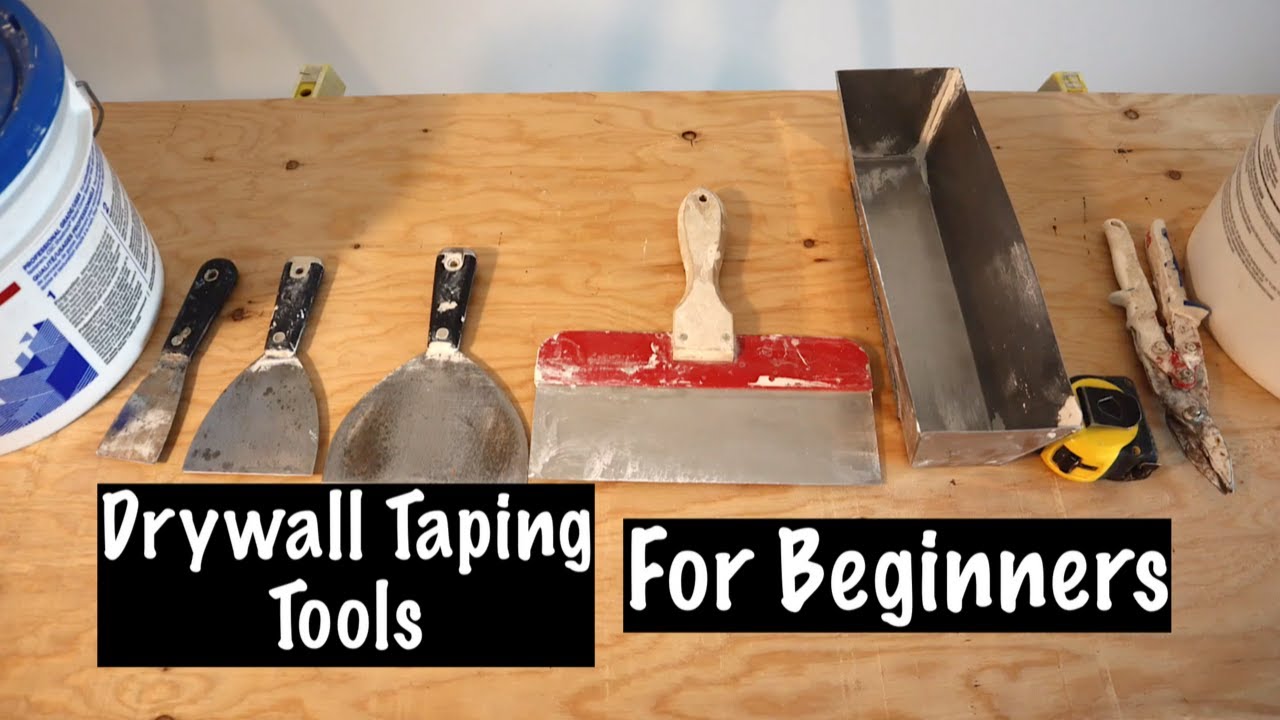
Start by storing your taping tools in a climate-controlled area, away from any dampness or humidity. If possible, use a dehumidifier in your workspace to keep moisture levels low.
After each use, wipe down your tools with a dry cloth to remove any moisture that may have accumulated. This simple step can prevent water from settling on the surfaces, which often leads to oxidation. When cleaning your tools, avoid using water or cleaning solutions that could leave residue and promote rust.
If you're working in a particularly humid environment, consider using moisture-absorbing products, such as silica gel packs, in your tool storage. Regularly check your tools for signs of rust or corrosion, and address any issues promptly.
Training and Best Practices
Investing time in proper training and best practices can greatly improve your efficiency and skill when using taping tools. It's crucial to understand how to handle these tools correctly to achieve the best results and minimize mistakes.
Here are some key practices to keep in mind:
- Familiarize Yourself with the Tools: Know your taping tools inside and out. Read the manuals and watch instructional videos to understand their functions. Practice Regularly: The more you use your tools, the more comfortable you'll become. Set aside time to practice different techniques. Stay Updated on Techniques: Industry standards and best practices can change. Attend workshops or online courses to stay current with new methods.
Selecting Quality Replacement Parts
Choosing quality replacement parts Columbia Tools is essential for guaranteeing your taping tools perform at their best and last longer. When it's time to replace worn-out components, don't settle for anything less than high-quality materials. Superior parts not only improve the functionality of your tools but also minimize the frequency of repairs.
Start by checking the specifications of your original tools. Look for parts that match these specifications closely to confirm compatibility. Using inferior replacements can lead to poor performance and may even damage your tools.
When shopping, consider reputable vendors like Master Building Materials. They offer a range of quality replacement parts specifically designed for taping tools. Read reviews and ask for recommendations to make sure you're making a smart investment.
Additionally, don't forget to purchase parts that come with warranties. This can provide peace of mind, knowing that you're covered if something goes wrong.
Frequently Asked Questions
How Often Should I Replace My Taping Tools?
You should replace your taping tools when they show significant wear or damage. Regular inspection helps maintain performance, so keep an eye on them. Typically, every few years is a good rule of thumb for replacements.
What Are the Signs of a Damaged Taping Tool?
You'll notice signs of a damaged taping tool when you see rust, bent edges, or cracks. If it doesn't glide smoothly or leaves uneven finishes, it's time to replace it for better results.
Can I Use Water to Clean My Taping Tools?
Yes, you can use water to clean your taping tools, but make sure to dry them thoroughly afterward. Water helps remove debris, but moisture can cause rust if left on the tools too long.
Are There Specific Brands Recommended for Taping Tools?
When choosing taping tools, consider trusted brands like DeWalt, Makita, or Milwaukee. They're known for durability and efficiency. You'll find that investing in quality tools pays off in performance and longevity.
How Do I Know if a Tool Is High Quality?
To determine if a tool's high quality, check its materials, brand reputation, and user reviews. Columbia Tools for Home Improvement Look for durable construction and ergonomic design that improves usability. Investing in reliable tools saves you time and effort in the long run.
Conclusion
By following these maintenance tips, you'll keep your taping tools in top condition, ensuring they perform at their best for every project.
Regular cleaning, proper storage, and timely inspections will prevent wear and tear, while using the right techniques will improve your efficiency.
Plus, investing in quality replacement parts will save you money in the long run.
So, take a few moments to care for your tools, and they'll reward you with flawless finishes time and again!